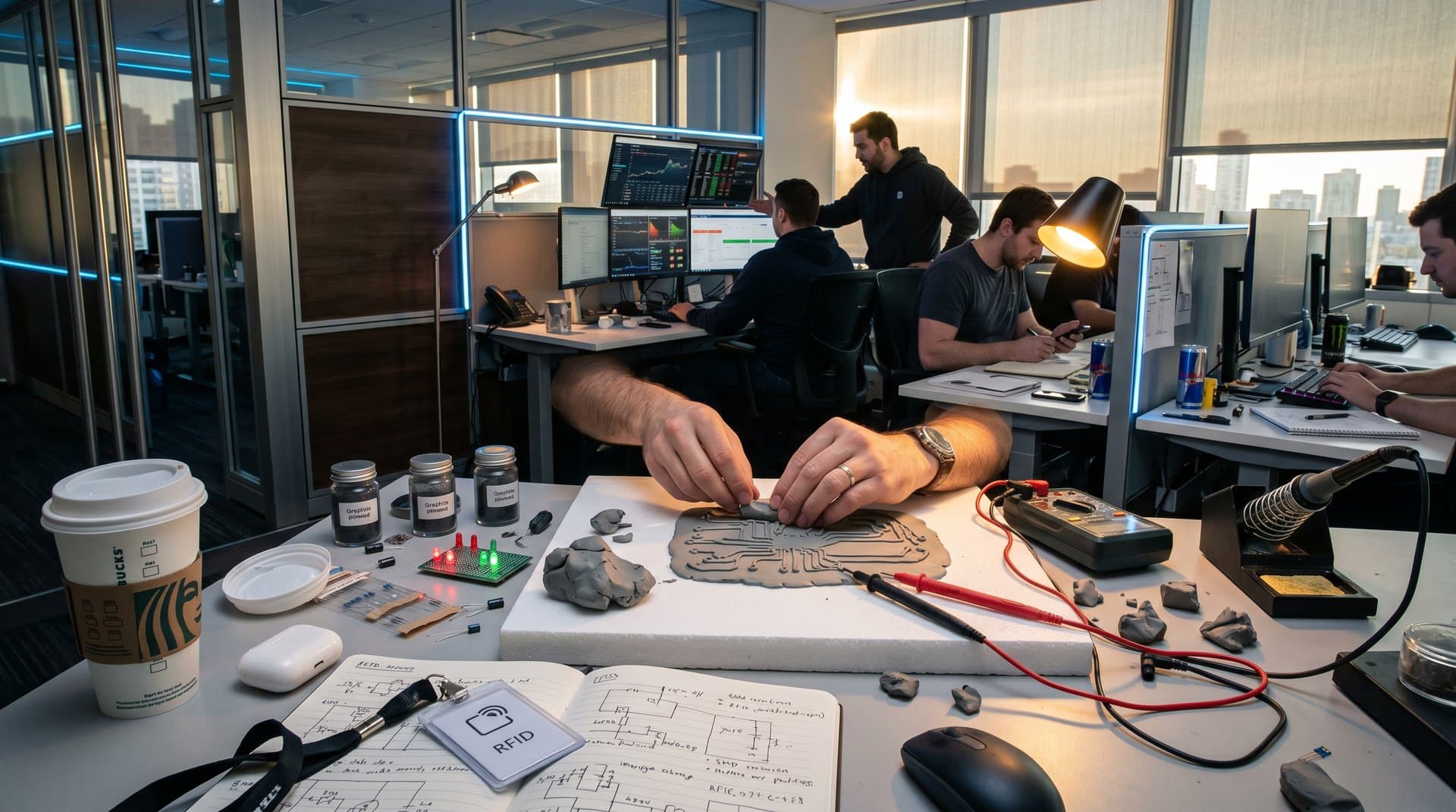
- 1. Clay PCB prototypes cost under $20 vs $100+ for fab houses.
- 2. Cuts turnaround from 7-14 days to one afternoon.
- 3. Tests MiCA-compliant wallets amid BTC $78K fear.
Fintech hardware startups prototype for under $20 using Clay PCB tutorials, compressing MVP timelines from weeks to hours. Bitcoin trades at $78,078 with Fear & Greed Index at 33, per CoinMarketCap data as of October 2024.
Ethereum hits $2,353 (up 1.8%). XRP reaches $1.42 (up 0.3%). BNB climbs to $632 (up 0.7%). Bootstrappers target hardware wallets and POS devices, skipping fab houses like JLCPCB.
Fintech Hardware Market Surge
Global fintech hardware market reaches $45 billion in 2024, per Statista. Crypto wallets and payment terminals drive growth. Ledger raised $400 million at $1.5 billion valuation in 2022. Prototyping costs still burn early runways.
Clay PCB solves this. Founders skip $100+ orders from PCBWay or JLCPCB (7-14 day shipping). Solo operators test NFC readers and secure elements in-house.
Clay PCB Basics and Materials
Clay PCB mixes polymer clay with graphite powder (1:1 ratio) for conductive traces on foam or cardboard. Sculpt 2-3mm-wide paths. Bake at 100°C for 30 minutes. Solder SMD components after cooling.
Resistivity matches 1oz copper for <5V circuits, per TechCrunch's 2016 guide. Suits low-power fintech sensors. No etching required.
Materials cost:
- Sculpey polymer clay: $10/454g (Amazon).
- Graphite powder: $8/100g.
- Foam board: $2.
- SMD parts (DigiKey): $5-10.
Total: <$20/board.
Step-by-Step Clay PCB Tutorial
1. Knead 50g clay + 50g graphite until black and pliable. Glove up. 2. Press 2mm layer on foam. Sculpt 2-3mm traces; avoid sharp bends. 3. Place SMD resistors/LEDs pre-bake; secure with clay. 4. Bake 100°C/30 min. Cool fully. 5. Solder at 300°C with flux. Test with multimeter. 6. Vias: Punch holes, fill mix, rebake.
Fintech founders prototype NFC readers or Ledger-style wallets. Reveals solder flaws early, saving 80% on iterations.
Clay PCB Beats Traditional Methods
JLCPCB charges $99 for five 10x10cm boards + $30 shipping (10 days, October 2024 pricing). PCBWay: $85 minimum.
3D-printed PCBs need $2,000+ Voltera V-One printers, per Wired. Clay finishes in 4 hours at $20.
Durability: Survives 1m desk drops, 50 joint cycles. Suits irregular wearables vs. rigid FR4.
TechCrunch: Hardware startups waste $50K/year on failed protos. Clay cuts to $200.
Crypto Hardware Applications
Hardware wallets market grows 25% YoY to $1.2 billion, per Grand View Research. Trezor/Ledger lead; newcomers bootstrap with Clay PCB.
Test secure elements for keys. Validate NFC tap-to-pay. Prototype Ethereum PoS stakers.
US BTC ETFs (SEC-approved Jan 2024) drive $50 billion inflows (BlackRock). Boosts demand.
MiCA Compliance Edge
EU MiCA enforces Jan 2026 for crypto assets. Hardware must secure key generation. Clay PCB tests logic pre-ASIC.
Simulate HSMs with ATmega. Spot side-channel leaks. Cuts compliance 70%, per Deloitte 2024 fintech report.
BTC Caution Boosts Efficiency
Fear & Greed at 33 signals caution vs. $126K 2025 ATH (Standard Chartered). $20 protos extend runways 3x.
a16z crypto ($4.5B fund) favors efficiency. Bootstraps eye Revolut/Coinbase exits.
Action: Investors, scout Clay demos at Demo Days. Operators, weekly prototypes + user tests. Entry barrier drops 90%.
Download templates from Hackaday.io. Prototype amid BTC volatility.
Frequently Asked Questions
What is Clay PCB tutorial?
Clay PCB tutorial mixes polymer clay and graphite (1:1) for traces on foam. Bake at 100°C, solder components for low-power fintech prototypes under 5V.
How does Clay PCB tutorial speed fintech MVPs?
Reduces prototyping from 7-14 days to hours at $20 cost. Tests hardware wallets early, preserving runway in BTC $78K caution.
What materials for Clay PCB tutorial?
Polymer clay, graphite powder, substrate, SMD parts. Knead 1:1, sculpt 2-3mm traces, bake 100°C.
Does Clay PCB meet MiCA standards?
Validates logic for MiCA-compliant devices pre-Jan 2026. Tests secure keys before ASIC production.