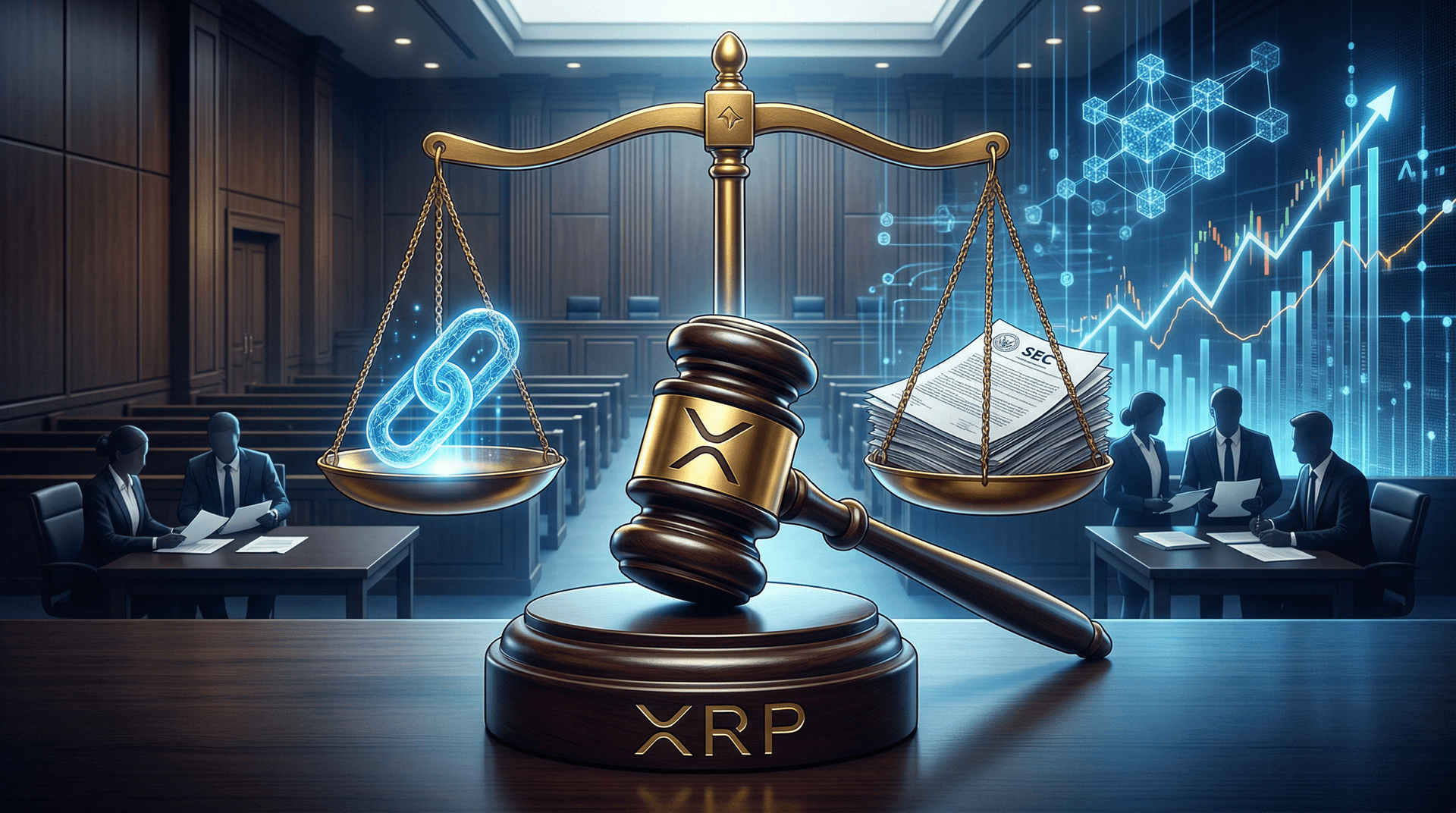
In a decision that sent shockwaves through the cryptocurrency world, U.S. District Judge Analisa Torres ruled on July 13, 2024, denying the Securities and Exchange Commission's (SEC) motion for remedies and injunctive relief against Ripple Labs, CEO Brad Garlinghouse, and co-founder Chris Larsen. This pivotal judgment not only vindicates Ripple's long-standing defense but also injects critical regulatory clarity into the blockchain sector at a time when executives and startups are desperate for predictable rules.
The Backdrop: Ripple vs. SEC – A Three-Year Battle
The saga began in December 2020 when the SEC sued Ripple, alleging that the company's $1.3 billion in XRP sales constituted an unregistered securities offering. Ripple countered that XRP, the native token of the XRP Ledger, functions as a currency for cross-border payments, not an investment contract under the Howey Test.
A partial victory came in July 2023 when Judge Torres ruled that institutional sales of XRP to sophisticated investors violated securities laws, but programmatic sales to retail investors on public exchanges did not meet the Howey criteria. The SEC appealed aspects of this ruling, but Ripple pressed forward, seeking dismissal of penalties.
Fast-forward to July 13, 2024: Torres rejected the SEC's push for disgorgement of over $700 million in gains from institutional sales, an injunction halting future XRP offerings, and civil penalties. She determined that while past institutional sales breached securities rules, the violations did not warrant ongoing restrictions, given Ripple's compliance adjustments post-2023 ruling.
"The court declines to grant the extraordinary relief requested by the SEC," Torres wrote, emphasizing that injunctions require evidence of likely future violations—a bar the SEC failed to clear.
Immediate Market and Business Impact
XRP's price surged over 10% in the hours following the ruling, climbing from around $0.62 to $0.70, reflecting investor relief. For Ripple, valued at over $10 billion in private markets, this clears a major overhang. The company can now focus on enterprise adoption: its On-Demand Liquidity (ODL) service powers remittances for firms like MoneyGram and Santander, processing billions annually.
Brad Garlinghouse celebrated on X (formerly Twitter): "Finally, some sanity prevails." This win bolsters Ripple's position as it eyes potential IPO plans, previously stalled by litigation.
Why This Matters for Blockchain Executives and Startups
For C-suite leaders in the startup ecosystem, this ruling is a beacon. The crypto industry has languished under SEC's "regulation by enforcement," with cases against Coinbase, Binance, and Uniswap creating compliance nightmares. Torres' affirmation that secondary market sales of digital assets aren't automatically securities offers a roadmap.
"This decision provides the clarity startups have craved," says Marco Santori, Chief Compliance Officer at Yieldstreet and a blockchain legal expert. "Executives can now design token models with confidence that exchange trading doesn't trigger Howey."
Startups building on blockchains like Solana or Polygon can draw lessons: prioritize utility over speculation, document fair launches, and segregate institutional from retail distributions. Venture firms like a16z Crypto, which backed Ripple rivals, may accelerate investments now that U.S. jurisdiction feels less hostile.
| Key Ruling Takeaways for Startups | |-----------------------------------| | Programmatic Sales: Not securities if buyers lack info on issuer's efforts. | | Injunctions Rare: Past violations don't presume future ones without evidence. | | Penalties Limited: Disgorgement denied; fines possible but contested. | | Howey Test Nuanced: Decentralization and utility trump hype. |
Broader Regulatory Ripple Effects
The ruling coincides with mounting pressure on SEC Chair Gary Gensler. With spot Bitcoin ETFs amassing $15 billion in inflows since January 2024 and Ethereum ETF approvals looming, Congress eyes crypto bills like FIT21, passed by the House in May. Ripple's win undermines the SEC's maximalist stance, potentially influencing cases against other protocols.
For global executives, it signals U.S. competitiveness. Singapore and Dubai lure blockchain firms with clear rules; this could stem the exodus. Ripple's partial loss on institutional sales reminds startups: Know your buyer.
Industry analyst Nic Carter of Castle Island Ventures notes, "Torres' rulings are the most thoughtful in crypto litigation. They force the SEC to litigate facts, not assumptions."
Challenges Ahead: Appeals and Execution Risks
The SEC has until August 15 to appeal, but with Gensler's term expiring in 2025 and political winds shifting—evidenced by pro-crypto rhetoric from figures like Vice President Kamala Harris' campaign advisors—the agency may pivot.
Ripple faces a remedies phase where fines could reach $125 million, per analysts, but no halt to operations. Meanwhile, XRP Ledger upgrades like automated market makers (AMM) enhance DeFi utility, attracting developers.
Strategic Advice for Blockchain Leaders
1. Compliance-First Design: Embed Howey defenses from day one—decentralize governance, emphasize utility. 2. Global Diversification: Use U.S. wins to negotiate with regulators elsewhere. 3. M&A Opportunities: Distressed assets from SEC targets could consolidate the ecosystem. 4. Talent Retention: Clarity aids hiring; blockchain engineers favor regulated innovation hubs.
Ripple's triumph isn't a full acquittal but a seismic shift. As blockchain startups scale toward trillion-dollar markets, executives must leverage this precedent to build resilient businesses. The era of regulatory fog is lifting—one ruling at a time.
Top Shelf News covers executive insights in tech and finance. This article reflects events up to July 21, 2024.